



What “Strong Culture” Actually Looks Like in a Co-op
Strong culture is visible: clear standards, fair accountability, respect across roles, and leaders who address issues early.

Change Fatigue Is Real—and It’s Usually a Communication Gap
Teams can handle a lot of change when leadership provides clarity—uncertainty and mixed messages create exhaustion.
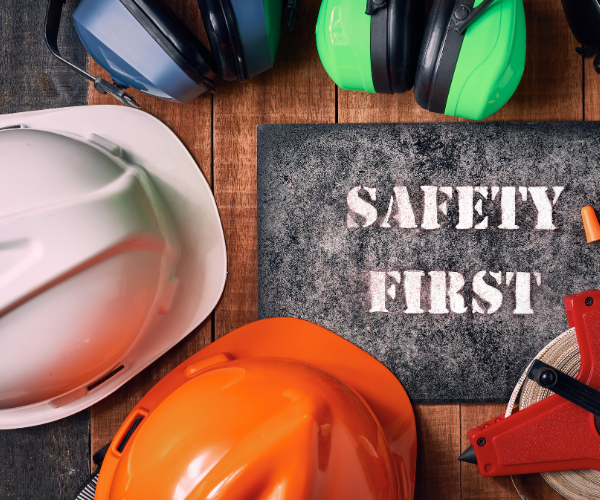
Safety Culture and Leadership Culture Are Connected
Safety isn’t just training and policies—leader consistency shapes what gets reinforced, reported, and addressed every day.

Retention Isn’t Only Pay. It’s Leadership Experience.
People stay where leaders communicate clearly, treat them with respect, and follow through with consistency.

Your Best Leaders Don’t Avoid Conflict—they Prevent Confusion
Most conflict is unclear expectations in disguise; clarity early keeps tension from becoming culture.

Why Co-ops Need a Leadership Bench, Not a Backup Person
A single “backup” is fragile; bench strength creates flexibility, continuity, and confidence during change.

Consistency Is a Culture Issue, Not a Personality Issue
When standards vary by leader, teams stop trusting expectations; consistency reduces friction and strengthens accountability.

The Hidden Cost of Promoting Your Best Technician
Technical excellence doesn’t automatically translate to people leadership; supporting the transition protects performance and morale.

Culture Isn’t Soft. It’s the Operating System.
Culture shapes communication, accountability, and follow-through making work either smoother and healthier or harder and heavier.


Leadership Training Should Change the Organization, Not Just the Attendee.
Effective development strengthens shared language and consistency across leaders so the whole organization operates with more clarity and trust.

Succession Planning Isn’t a Spreadsheet. It’s Risk Management.
Succession planning protects continuity, reduces disruption, and builds readiness long before a vacancy forces urgent decisions.